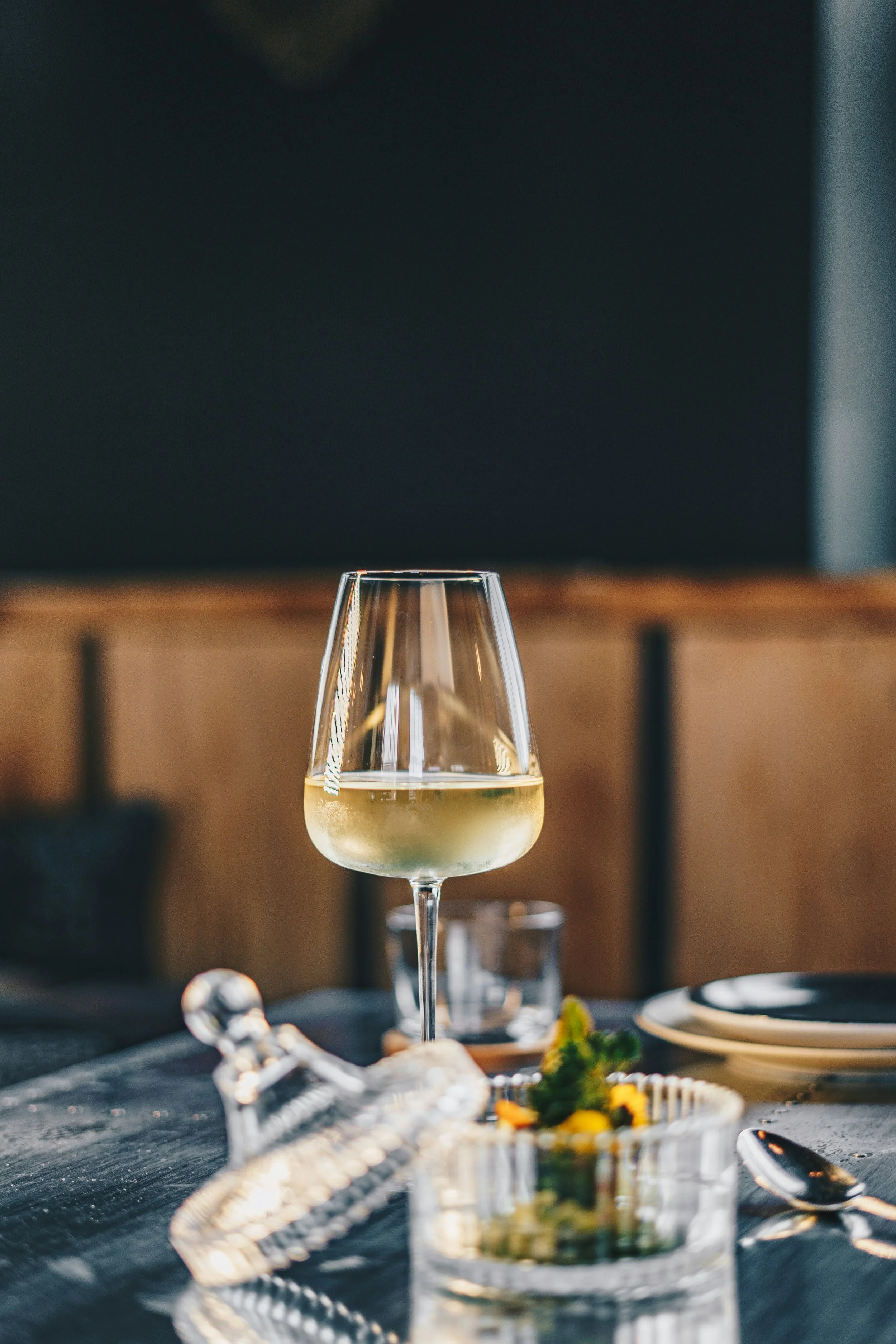
Why People Stick to the Same Bottle Every Time
If you’ve ever gone to a restaurant and ordered the same wine you always order, you’re not alone.
Many people do this.
They see a familiar name on the list.
A grape they recognize.
A bottle they’ve had before.
And without much hesitation, that’s the one.
There’s comfort in recognition.
But the reason people repeat the same wine again and again usually isn’t just preference.
It’s relief.
Familiar Wines Feel Safe
Wine lists can be long.
Sometimes surprisingly long.
Dozens of producers.
Regions you might not recognize.
Prices that climb quickly.
When the list feels overwhelming, recognition becomes a shortcut.
You spot something familiar and the decision suddenly becomes easier.
You don’t have to think about it anymore.
And in a restaurant setting — where someone might be waiting beside the table — that relief can feel especially valuable.
Recognition Reduces Risk
Ordering something new introduces uncertainty.
Will it taste too bold?
Too acidic?
Too different from what you expected?
Choosing a wine you already know removes that risk.
Even if the wine isn’t perfect, at least it won’t surprise you.
And when people are dining with friends, coworkers, or on a date, minimizing surprises can feel more comfortable than experimenting.
Wine Culture Quietly Encourages This
Wine culture sometimes makes familiarity feel like knowledge.
Recognizing a well-known producer or region can signal confidence.
So people gravitate toward names they’ve heard before.
Not necessarily because they’re the best choice — but because they’re the safest.
That habit slowly becomes routine.
Order the same bottle.
Enjoy the evening.
Repeat next time.
The Quiet Downside of Playing It Safe
There’s nothing wrong with enjoying familiar wines.
But sticking to the same few bottles can make wine feel smaller than it really is.
Restaurants curate lists so people can discover new styles.
Different regions.
Different expressions of the same grape.
Sometimes a new bottle reveals something you didn’t realize you enjoyed.
A lighter red than expected.
A white with more freshness.
A wine that pairs surprisingly well with the meal.
Those discoveries are part of what makes wine interesting.
Confidence Changes the Experience
When people feel comfortable ordering wine, their mindset shifts.
The decision stops feeling risky.
Instead of searching for something familiar, they become open to suggestions.
They might ask for something similar to what they usually enjoy — but from a different region.
Or something lighter.
Or something with a little more structure.
Suddenly the list feels less like a test and more like an opportunity.
Living With Wine
Wine was never meant to feel like a performance.
It’s meant to complement food, conversation, and the rhythm of a meal.
When the pressure fades, curiosity often replaces hesitation.
And curiosity is where most memorable wine experiences begin.
If you want a calm way to approach wine lists — without defaulting to the same bottle every time — I share the framework I use inside The Calm Order.
It’s a short guide designed to remove pressure from the moment when the wine list arrives.
Because ordering wine shouldn’t feel complicated.
It should feel natural.