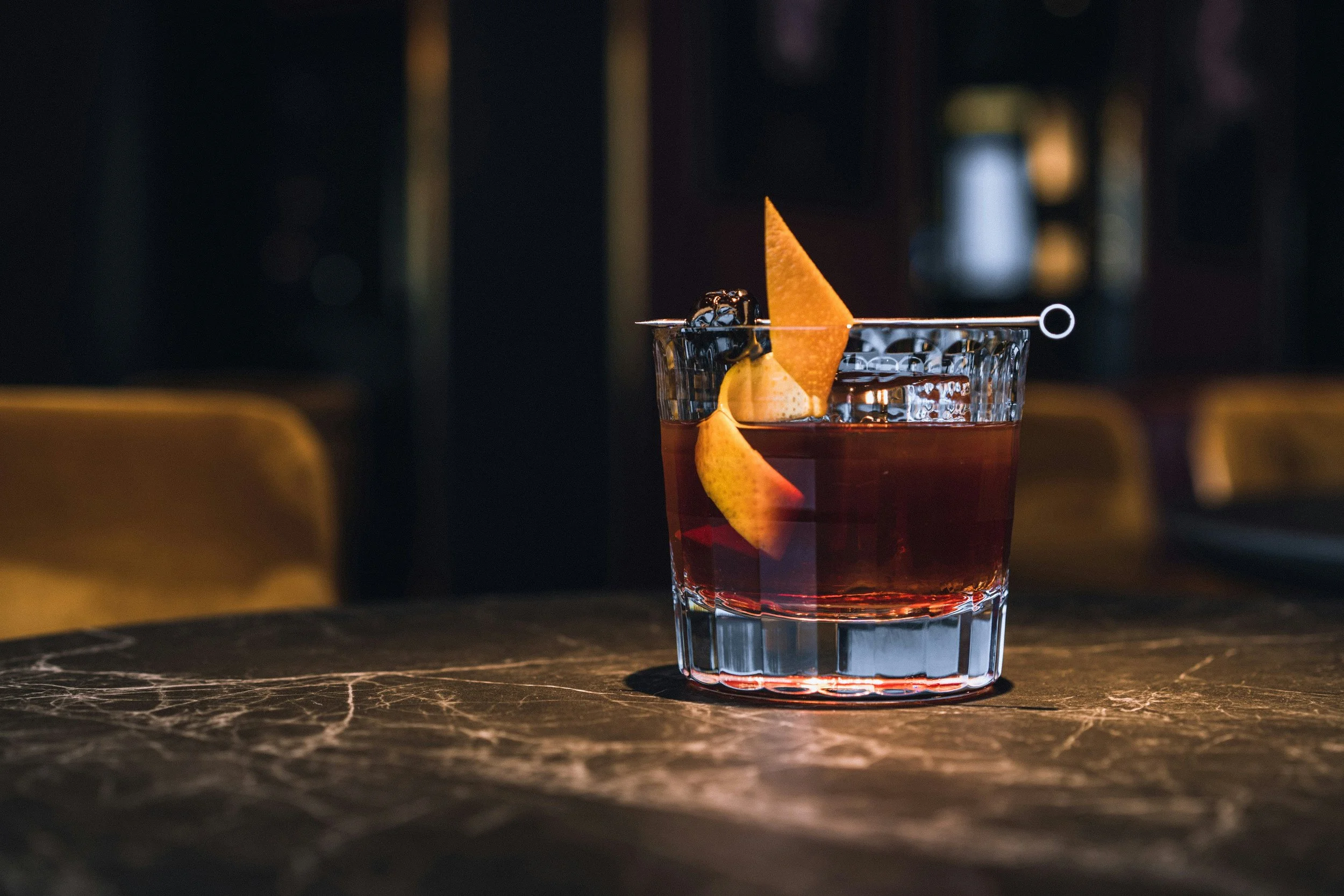
Cocktail Basics 114: Why Some Cocktails Taste Better at Restaurants
Have you ever ordered a cocktail at a restaurant, taken a sip, and thought:
Why doesn’t mine taste like this at home?
It’s a common experience.
You follow the recipe.
Use the same ingredients.
Measure carefully.
But something still feels slightly different.
Usually, the difference isn’t a secret ingredient.
It’s a few small details that restaurants handle consistently — details that are easy to overlook at home.
Ice Matters More Than People Realize
One of the biggest differences between home cocktails and restaurant cocktails is ice.
Restaurants typically use larger, clearer ice.
Not because it looks impressive.
Because it melts more slowly.
When ice melts too quickly, it dilutes the drink before the flavors have a chance to settle. That can make cocktails taste thin or watery.
At home, even something as simple as using larger cubes or filling the glass completely with ice can noticeably improve a drink.
A simple large-cube ice tray can make a noticeable difference for cocktails served over ice.
More ice often means less dilution, not more.
Dilution Is Part of the Recipe
Many people think dilution is a mistake.
But dilution is actually part of the drink.
When a cocktail is shaken or stirred, a small amount of melted ice softens the alcohol and blends the flavors together.
Restaurants take this step seriously.
Bartenders stir long enough to chill the drink properly.
They shake long enough to add the right amount of dilution.
At home, cocktails are often stirred or shaken for only a few seconds.
A few extra seconds can make a surprising difference.
Fresh Citrus Changes Everything
Another quiet difference is citrus.
Restaurants almost always squeeze citrus fresh.
Fresh lime or lemon juice brings brightness and balance that bottled versions rarely match.
The flavor is cleaner.
Sharper.
More vibrant.
If there’s one upgrade that improves cocktails immediately, it’s fresh citrus.
Glassware Shapes the Experience
The glass itself also affects how a cocktail feels.
A coupe glass keeps a drink cold longer.
A rocks glass gives space for ice to breathe.
A tall glass stretches a drink with bubbles and dilution.
Restaurants choose glassware intentionally.
At home, simply matching the glass to the style of drink can make cocktails feel noticeably more complete.
Even having a couple classic glasses — like a coupe or a simple rocks glass — makes home cocktails feel more intentional.
• simple coupe and rocks glass set → Amazon
• heavier crystal coupe and rocks glasses → Home Wet Bar
Simplicity Is the Real Secret
Despite what it sometimes looks like, most restaurant cocktails aren’t complicated.
In fact, the best ones are often very simple.
A spirit.
Something bright or bitter.
A touch of sweetness.
Balance matters more than complexity.
That’s why classic cocktails — the ones that have survived for decades — usually contain only a few ingredients.
They work because the proportions are clear.
Small Details Create Big Differences
When cocktails taste better at restaurants, it’s rarely because bartenders know something mysterious.
It’s usually because they repeat the same small details every time.
Cold glassware.
Enough ice.
Fresh citrus.
Proper dilution.
Once those details become habits, cocktails at home start to taste noticeably better too.
Cocktails don’t need to feel technical or intimidating.
A few small adjustments can quietly elevate the experience.
And once those adjustments become routine, making drinks at home starts to feel a little more natural — and a lot more enjoyable.
Some links on Sip Living may be affiliate links, which means I may earn a small commission if you purchase through them — at no additional cost to you.