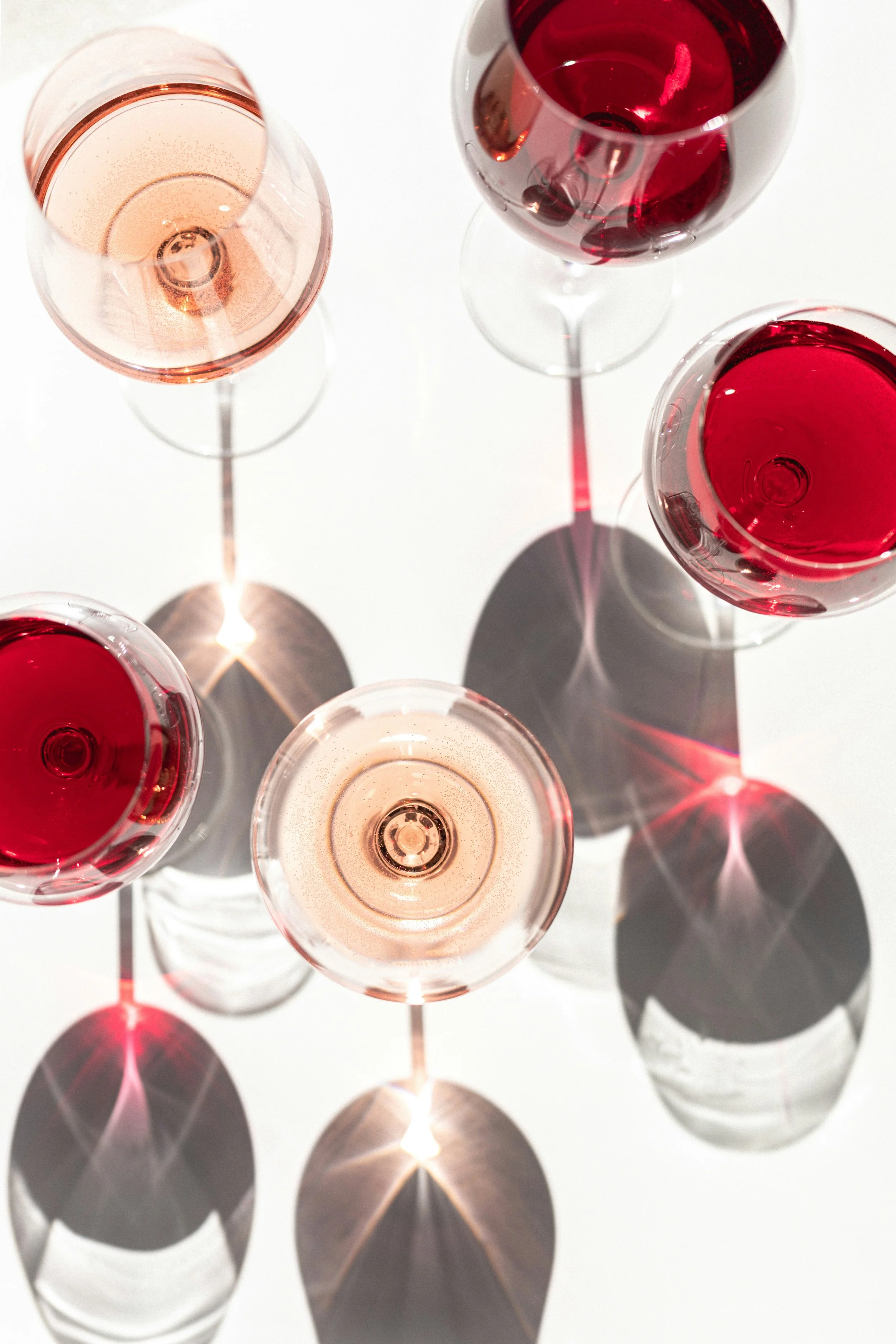
Wine Basics 108: How to Build Your Palate (Without Overthinking It)
By the time you reach Wine Basics 108, you already know something important:
You don’t need more rules — you need confidence.
This post is about moving past charts, scores, and “expert” opinions and learning how to explore wine naturally, at your own pace, without wasting bottles or money.
Wine should feel curious, fun, and flexible — not intimidating.
🍇 1. Stop Trying to “Find Your Favorite Wine”
One of the biggest mistakes beginners make is asking:
“What wine should I like?”
The better question is:
“What styles do I enjoy right now?”
Your preferences will change based on:
Season
Mood
Food
Company
Occasion
That’s normal — and it’s how wine is meant to be enjoyed.
🧠 2. Think in Styles, Not Labels
Instead of memorizing grape names, think in feelings:
Crisp & refreshing → Sauvignon Blanc, Albariño
Soft & smooth → Pinot Noir, Merlot
Bold & rich → Cabernet Sauvignon, Syrah
Light & fun → Sparkling wine, Gamay
This makes ordering, shopping, and hosting much easier.
You’re not choosing a “correct” wine — you’re choosing a vibe.
🍷 3. Taste More, Waste Less (The Smart Way to Learn Wine)
Buying full bottles every time you want to explore adds up fast — especially when you don’t love everything you open.
This is where tasting by the glass matters.
If you want to explore different wine styles without committing to full bottles, tasting curated wines by the glass through VINEBOX is one of the easiest ways to learn what you actually enjoy.
👉 Try a VINEBOX wine tasting experience here (View Link)
Why this fits naturally:
Exploration-focused
No pressure
Perfect for learning your palate
Ideal for solo tasting or hosting
🥂 4. How to Taste Wine (Without Feeling Silly)
You don’t need fancy language. Use this simple order:
First sip – initial impression
Second sip – texture (smooth, sharp, heavy, light)
Aftertaste – does it linger or disappear quickly?
That’s it.
If you can answer:
“Would I want another sip?”
You’re doing it right.
🍽️ 5. Food Pairing Without Rules
Forget “red with meat, white with fish.”
Use these instead:
Acid cuts richness (creamy food loves crisp wine)
Sweet calms spice
Light wine + light food / bold wine + bold food
If it tastes good to you, it works.
🍷 6. Hosting = The Best Way to Learn Wine
Hosting doesn’t require expertise — it creates it.
Try this:
Offer 2–3 wine styles
Let guests compare
Ask what they like (no wrong answers)
You’ll learn faster from one relaxed wine night than from reading ten articles.
Optional VINEBOX hosting angle
Hosting a tasting night? VINEBOX makes it easy to pour multiple styles without opening several bottles — perfect for casual comparisons and relaxed wine nights.
👉 Explore VINEBOX for hosting & tasting nights (View Link)
🧭 7. Trust Your Own Taste
The most important wine skill is knowing when to ignore everyone else.
If you like:
Ice in your wine
Sweet wines
Simple pours
“Unimpressive” bottles
Congratulations — you’re enjoying wine correctly.
🍷 Final Takeaway
Wine exploration isn’t about becoming an expert.
It’s about becoming comfortable.
Taste widely. Stay curious. Ignore pressure.
Let wine fit your life — not the other way around.
Affiliate Disclosure
SipLiving.com participates in affiliate programs including VINEBOX. We may earn a small commission at no extra cost to you.